Hiring a Studio for Dance, Movement and Performer Portraits in Sydney
August 29, 2026
There is a particular kind of shoot that a small, tidy studio simply cannot handle. Someone needs to leap. Someone needs to spin, or throw a leg above their head, or swing an instrument around without taking out a light stand. Dancers, performers, musicians and martial artists all need room to move, and the space you book decides how much of that movement you actually get to capture.
At Desk and Studio, we have hosted plenty of these shoots, from dancers building an audition reel to bands shooting promo images for a tour. They are some of our favourite days in the space. Here is what to look for when you hire a studio for movement work in Sydney, and how to plan a shoot day that gets the shot without exhausting the person in front of the camera.
Why movement shoots need a different kind of space
Portrait work asks for good light and a clean background. Movement work asks for those things plus physical room, and that is where a lot of studios quietly fall short. When you are photographing a jump, you need height above the subject, distance behind them so the backdrop stays clean, and enough depth for the photographer to step back and use a longer lens. Take away any one of those and the shot gets compromised.
The three measurements that matter most are:
- Ceiling height. A dancer in a grand jeté can easily be a metre or more off the ground, and their arms go higher again. Low ceilings also cap where you can put your lights, which changes the quality of the whole image.
- Floor width. Movement travels sideways. If the run-up and landing do not fit inside the frame, you end up shooting from awkward angles.
- Depth. You need space between the subject and the backdrop so the paper stays clean and evenly lit, and space behind the camera so you can shoot at a flattering focal length.
Our studio floor is 5.7 metres wide by 9 metres deep with 4.6 metre ceilings, which is genuinely useful for this kind of work. It means a dancer can jump without clipping the top of the frame, and a five piece band can spread out without anyone standing in shadow.
The lighting question: freezing motion properly
This is where a lot of movement shoots come unstuck, and it is worth understanding before you book.
Sharp motion is not really about shutter speed when you are working with studio flash. It is about flash duration, which is how briefly the light itself fires. With most studio heads, the flash burst is what freezes the action, so a shorter duration gives you crisper edges on flying hair and fabric. Turning a powerful head down to a lower output often shortens its flash duration, which is why dialling the power back and opening your aperture can give you a sharper result than blasting away at full power.
A few practical implications:
- Test before your subject is tired. Fire a few frames with a hand wave or a small jump and check the edges at 100 per cent before you ask for the big leap.
- Watch your sync speed. Most cameras sync somewhere around 1/200 of a second. Going faster without high speed sync will give you a black band across the frame.
- Use continuous light for a different look. Our LED heads let you shoot with a slower shutter deliberately, which is lovely if you actually want blur and flow rather than a frozen edge.
- Light the backdrop separately. A clean, evenly lit paper roll is much easier to cut out later if the images are going into a poster or a tour ad.
- Give yourself room for error. Movement is unpredictable. Shoot wider than you need and crop in, rather than framing tight and losing a hand.
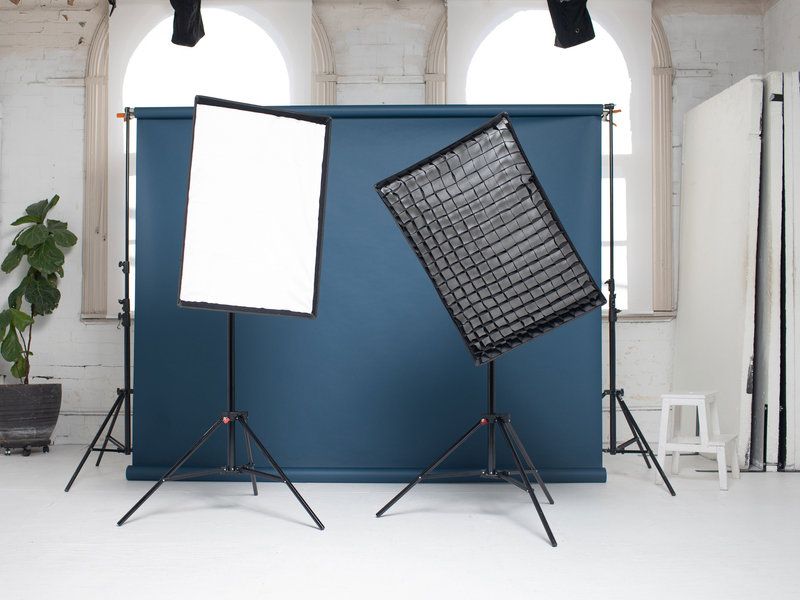
Our kit includes Godox 1200W and 600W flash heads with triggers, a range of softboxes, strip boxes, a 140cm octagon, beauty dishes, barn doors with coloured gels, a snoot and continuous LED panels, all included in the hire. If you want a fuller explanation of what each modifier does, our guide to choosing studio lighting to rent walks through it.
Backdrops and floors for movement work
Paper rolls in white, black, grey and beige cover most performer briefs, and we can arrange chroma key green and other colours on request. Black is the classic choice for dance because it makes a lit body read as sculpture. White gives you the clean, commercial look that agencies and festivals tend to want.
Two things worth thinking through in advance:
- Bare feet and paper do not always agree. Dancers working barefoot or in soft shoes are usually fine on paper, but hard shoes, tap, heels and anything with a heel edge will tear it. Talk to us before the day and we will work out the right surface. Our timber floors are a genuinely good option for tap, contemporary and street styles, and they photograph beautifully.
- Bring a mat or a marley if the style demands it. For anything with real impact or floor work, a portable surface protects both the dancer and the studio.
A shoot day plan that keeps everyone fresh
Movement shoots are physically demanding in a way that portrait shoots are not. Your subject has a limited number of good jumps in them, so the plan matters.
- Light and test before they arrive, or during warm-up. Every minute your dancer stands still while you meter is a minute of energy gone.
- Let them warm up properly. A cold body jumps badly and gets injured. Build fifteen or twenty minutes into the schedule and use our change area so they have somewhere private to get ready.
- Shoot the hardest thing first. Get the big leap while legs are fresh, then move to slower, more controlled shapes as the session goes on.
- Work in short bursts. Three or four attempts, then a rest and a look at the back of the camera together. Performers are experts in their own bodies and will often spot the fix before you do.
- Keep water and snacks on hand. Our kitchenette is right there, and it makes more difference to the last hour of the shoot than any piece of gear.
- Finish with the easy stuff. Headshots, close portraits and detail shots of hands, shoes or instruments are perfect for the end when everyone is tiring.
Who this kind of booking suits
We see this space used for movement work by:
- Dancers and dance schools building audition portfolios, end of year images and promotional material.
- Bands and musicians shooting promo and press images. One band told us afterwards that having all the lighting and backdrops on hand was exactly what they needed, and we still think about that shoot fondly.
- Actors and circus performers who need something more dynamic than a standard headshot.
- Martial artists, yoga teachers and personal trainers shooting for their own marketing.
- Sports and activewear brands shooting on-model content where the clothing needs to be seen in motion.
If your shoot is more about wardrobe and styling than movement, our guide to hiring a studio for a fashion or editorial shoot may be a better fit, and if you are new to studio work altogether, start with your first studio photography shoot.
Frequently Asked Questions
What ceiling height do I need for dance photography?
As much as you can get. Around four metres is a sensible minimum for jumps, because a dancer at the top of a leap plus raised arms can occupy a surprising amount of vertical space, and your lights need room above that. Our studio has 4.6 metre ceilings.
How do I freeze motion in a studio without blur?
Rely on flash duration rather than shutter speed. Studio flash fires briefly enough to freeze most movement, and running your heads at lower power usually shortens that burst further, giving crisper edges. Keep your shutter at or below your camera’s sync speed and test on a small jump before the big one.
Can dancers shoot barefoot on a paper backdrop?
Usually yes, though hard shoes, heels and tap will damage paper. Let us know the style in advance and we will sort out the right surface, whether that is paper, our timber floor or a mat you bring in.
How long should I book for a dance or performer shoot?
Half a day suits most single performer sessions once you allow for warm-up and lighting. A group, a band or multiple wardrobe changes is usually a full day. Our half day and full day hires both include the lighting and backdrops.
Is there somewhere to warm up and change?
Yes. We have a change area, unisex toilets and a kitchenette, and the studio floor itself gives you room to warm up before you start shooting.
Do you have space for a whole band or dance group?
Yes. At 5.7 metres wide and 9 metres deep, the floor comfortably holds a group with room for the photographer to work back from them.
Ready to move
If you have a shoot in mind that needs room to breathe, we would love to have you in the space. Bring your dancers, your band or your performers, use our lights and backdrops, and give everyone the space to actually do the thing you are photographing.
Take a look at our photo studio for rates and availability, or get in touch if you would like to talk through your shoot first or come and see the floor in person. We are in Petersham, fifteen minutes from the city, and we will happily help you plan it.
More Articles
- How Much Does a Hot Desk Cost in Sydney? Day, Week and Month Rates
- Hiring a Studio for Dance, Movement and Performer Portraits in Sydney
- Photography Space for Rent in Sydney: What You Actually Get
- Hiring a Studio for a Beauty, Hair or Makeup Portfolio Shoot in Sydney
- Hiring a Studio for Family and Kids Photography in Sydney
- Hiring a Studio for a Fashion or Editorial Shoot in Sydney
- What to Expect Inside a Sydney Photography Studio
- Hiring a Studio for Headshots: How to Run a Smooth Headshot Day in Sydney
- How to Hire a Photography Studio for a Day in Sydney
- Affordable Photography Studio Hire in Sydney: How to Shoot on a Budget
- Renting Your Own Photography Studio vs Hiring by the Hour in Sydney
- How to Hire a Studio to Run Your Own Photography Workshop or Class in Sydney
- Product Photography in a Hired Studio: How to Plan, Light and Shoot Like a Pro
- Choosing Studio Lighting to Rent: A Photographer's Guide to Lights, Modifiers and Backdrops
- Your First Studio Photography Shoot: A Beginner's Guide
- Photography Studio Rental in Sydney
- Photography Workshops in Sydney and How to Choose One
- How to Find a Photo Studio Near You in Sydney
- Photo Studio Hire in Sydney's Inner West
- How to Choose the Right Photoshoot Space in Sydney
- Self-Shoot Studios: How to Take Your Own Photos in a Hired Space
- How to Hire a Studio for a Boudoir or Portrait Shoot
- How to Hire a Photography Studio in Sydney: The Complete Guide
- How Much Does It Cost to Hire a Photography Studio in Sydney?
- Hot Desk & Creative Coworking in Sydney's Inner West
- Hiring a Video Studio in Sydney: Green Screen, Lighting and Sound
- Dry Hire Explained: Renting Studio Lighting & Backdrops in Sydney
- Planning a Content or Personal Branding Shoot in a Sydney Studio
- Click, Learn, Repeat: A Photographer’s Growth Guide
- The Power of Versatility: Mastering Natural and Studio Light in Photography